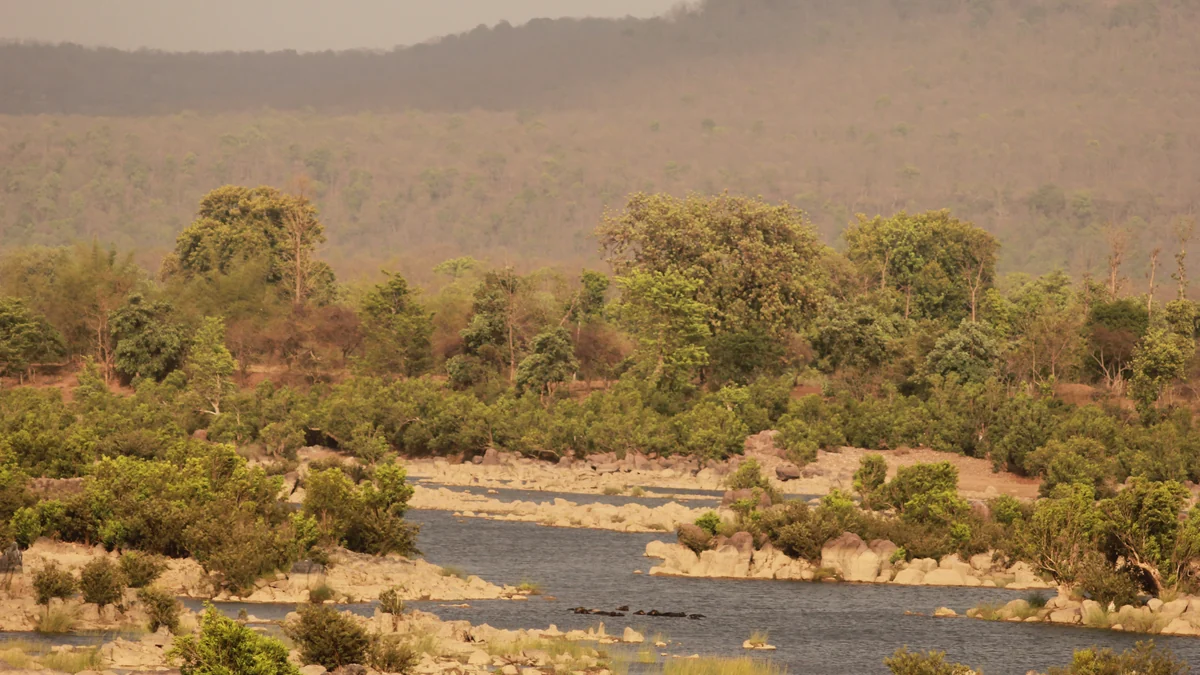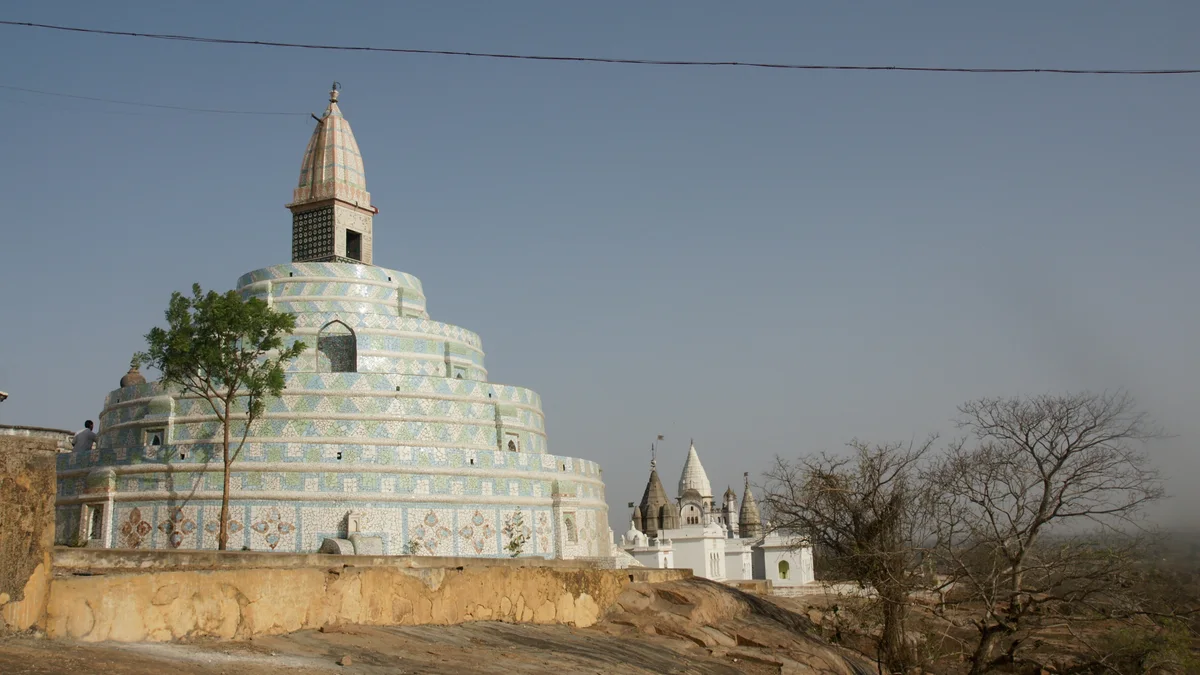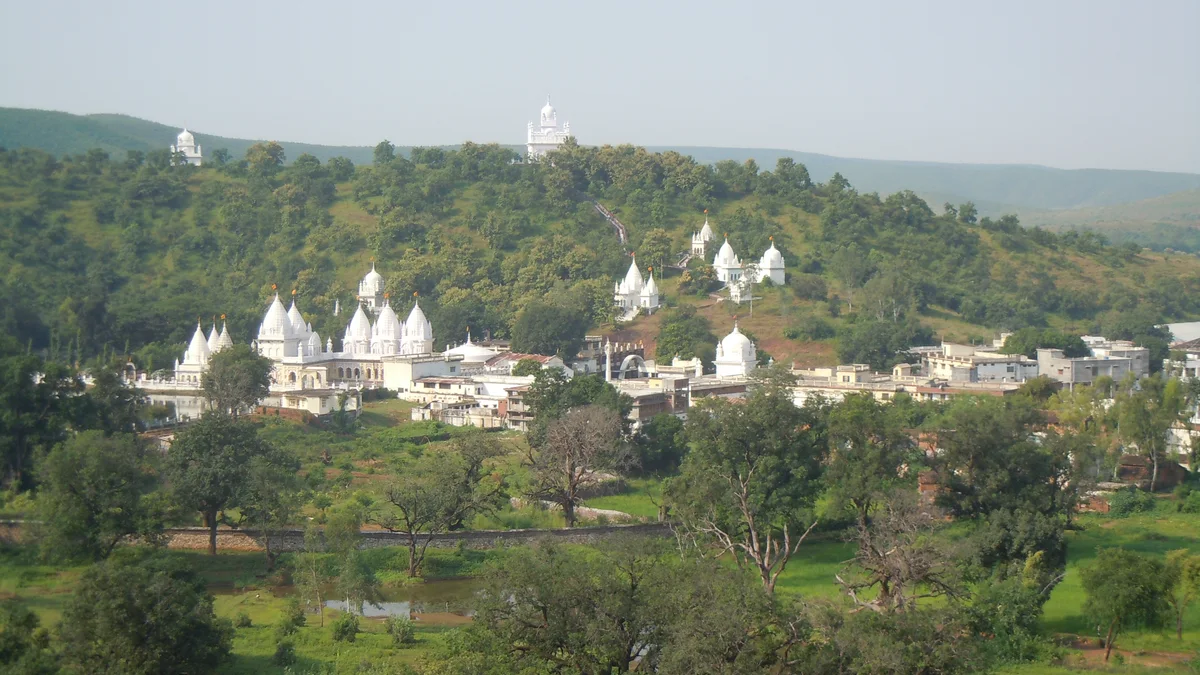
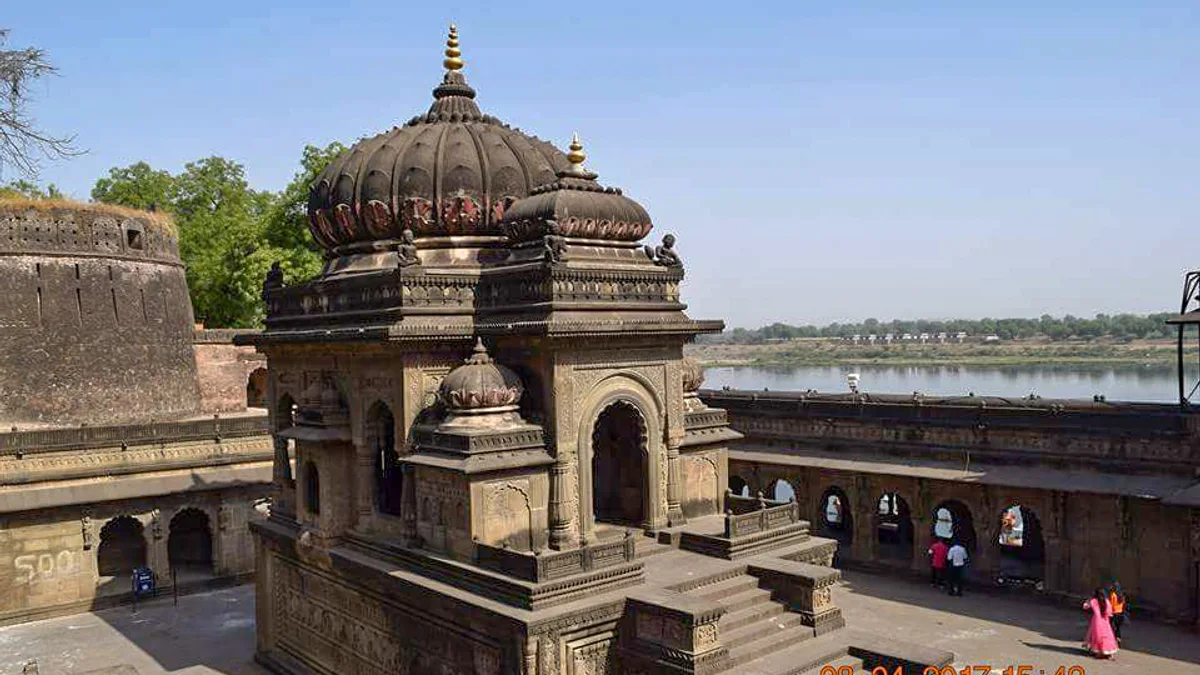
Hero photo Photo Gargiekulkarni · CC BY-SA 4.0 · cropped and resized
The Narmada Parikrama is a circuit of the whole Narmada river, about 2,600 to 3,500 km depending on the route, from the source at Amarkantak to the sea near Bharuch and back along the other bank. On foot it takes most pilgrims 200 to 250 days today, while the old scriptural tradition set it at 3 years, 3 months and 13 days. By car or on a package tour, some road itineraries allow about 12 to 15 days with night halts. The full route and observances may require more time.
Most pilgrims set out after the monsoon, once Chaturmas ends in the Kartik month, when the weather is cool and the river is calm. Omkareshwar and Amarkantak are the two most common starting points.
Chaturmas, the four holy months of the monsoon, ends in the Kartik month, around Dev Uthani Ekadashi and Kartik Purnima (usually in November). Many pilgrims begin their parikrama then. Check this year's date before you plan. We confirm it for you when we send your plan.
What is the Narmada Parikrama?
The Narmada has a long tradition of pilgrimage on foot around both banks. The parikrama follows the river from its source at the Narmada Kund in Amarkantak down to where it meets the Arabian Sea in Gujarat, then returns along the opposite bank to the starting point.
As per MP Tourism, the walk is about 3,500 km, and in older times, with every ritual observed, it took 3 years, 3 months and 13 days. Today most walkers finish in about 200 to 250 days. Other sources put the circuit at about 2,600 km, because the route changes with dams, bridges and the detours each pilgrim takes.
The Reva Khand of the Skanda Purana describes the merit of the parikrama. Tradition says Sage Markandeya was the first to complete it. Pilgrims greet each other on the path with "Narmade Har".
What are the Narmada Parikrama rules?
The following disciplines are common in traditional parikrama practice. Confirm the observances you will follow with your teacher or ashram:
- Keep the river on your right. You walk downstream on the south bank and upstream on the north bank.
- River-crossing observance. Traditional practice uses a boat crossing near the estuary in Gujarat and a route beyond the source at Amarkantak. Pilgrims following this discipline avoid mid-river visits and bridge crossings during the circuit. Local safety instructions and emergency directions take priority.
- Finish where you began. The circuit is complete only when you return to your starting point.
- Carry Narmada jal. Many pilgrims fill a small vial of river water at the start and offer it back at the end.
Walkers traditionally travel light, stay in ashrams, dharamshalas and village homes along the river, and depend on the kindness of the people on the banks. Rules on food, hair, footwear and conduct vary by guru and tradition, so follow the guidance you receive from your own teacher or ashram.
When should you start the Narmada Parikrama?
Most pilgrims start after the rains. The river is high and dangerous in the monsoon, and many ashrams observe Chaturmas and host walkers only after it ends in the Kartik month. From Kartik onwards the days are mild and the nights cool, and this window runs through the winter.
If you plan to start in Kartik, the days around Dev Uthani Ekadashi and Kartik Purnima are popular. Omkareshwar holds its own Kartik Utsav and a short Panchkroshi Yatra then. Read our guide to Omkareshwar sights and ghats if you want to begin there, or Amarkantak and Narmada Udgam for the source. For a shorter holy dip, see our Kartik snan on the Narmada guide.
A vehicle journey needs a route and operating check for the chosen travel window, but the cooler months make long drives and river-side halts far easier.
What is the Narmada Parikrama route and where are the key halts?
The circuit has two legs. The outbound leg runs down the south bank from Amarkantak to Bharuch. The return leg runs up the north bank from Mithi Talai back to Amarkantak. Here are the halts most pilgrims plan around, with approximate road distances to help you place them.
| Halt | State | Why it matters | Road link (approx.) |
|---|---|---|---|
| Amarkantak | Madhya Pradesh | Narmada Kund, the source; start and end for many | Pendra Road station 42 km; Jabalpur 228 km |
| Jabalpur (Gwarighat, Bhedaghat) | Madhya Pradesh | City ghats, Marble Rocks, Dhuandhar falls | Jabalpur airport and station |
| Hoshangabad (Narmadapuram) | Madhya Pradesh | Sethani Ghat and daily Narmada aarti | Itarsi junction nearby |
| Omkareshwar area | Madhya Pradesh | Bank-side approaches and Mamleshwar; island darshan is planned according to the chosen observance | Indore 77–80 km |
| Maheshwar | Madhya Pradesh | North-bank town with Ahilya Fort, ghats and handloom | Indore about 91 km |
| Bharuch / estuary region | Gujarat | River-mouth approach and locally arranged onward crossing | Vadodara and Surat by rail |
| Mithi Talai | Gujarat | Landing point after the sea crossing by boat | Reached by boat from the south bank |
Halts and order as per MP Tourism and Outlook Traveller. Distances are approximate and from earlier Banjari guides.
These are regional orientation stops, not a bank-by-bank navigation plan. The exact paths around dams, tributaries and the estuary need local confirmation. Maheshwar town is on the north bank. Omkareshwar island darshan involves entering the river, so strict parikrama walkers often arrange it after completing the circuit. Plan bank-side halts and final island darshan with your chosen guide or ashram. If you want the river town stops in more detail, read our guides to Narmada pilgrimage route options and Maheshwar in our three-town pilgrimage trip.
Should you do the Narmada Parikrama on foot or by vehicle?
On foot. This is the traditional way, usually barefoot or in simple footwear. Walkers cover roughly 15 to 20 km a day and stop at ashrams and village homes. It needs months of time, good health and a strong reason. The river path often leaves the highway, so walking is also the only way to stay close to the water.
By vehicle. Many families now do a vehicle parikrama by car or on package tours of about 12 to 15 days. Choose the bank route and river-crossing observances with your guide before booking. Road circuits and traditional walking routes have different access constraints, and sea crossings depend on local operations. Nights are spent in hotels or dharamshalas in towns like Jabalpur, Hoshangabad, Omkareshwar, Maheshwar and Bharuch. This suits senior citizens and anyone who cannot take months off.
In segments. Some pilgrims walk a stretch each year, for example Maheshwar to Omkareshwar or Amarkantak to Jabalpur, and complete the circuit over several seasons. This is a good middle path if you want to walk but have limited leave.
Whichever way you choose, treat the river and the villages with respect. Carry your own waste out, use the ghats as the locals do, and keep the parikrama a quiet journey rather than a sightseeing tour.
Are there shorter Narmada parikramas?
Yes, two are well known.
Panchkroshi Yatra, Omkareshwar. During the Kartik Utsav at Omkareshwar, pilgrims make a short circuit around the Mandhata area that starts at Gomukh Ghat on Ekadashi and ends at the temple on Purnima. The 7 km Omkar Parvat parikrama around the island can be walked on any day.
Uttarvahini Narmada Parikrama, Gujarat. On a short stretch near Bharuch the Narmada flows north, and a month-long Uttarvahini parikrama is held there in the Chaitra month (usually March to April), with the Gujarat government making arrangements for lakhs of pilgrims.
These short yatras let you take part in the tradition in a day or a few days. They do not replace the full parikrama, but many families do them first.
Narmada Parikrama preparation checklist
- Decide your start point (Omkareshwar or Amarkantak are the most common) and remember you must end there.
- Check this year's Kartik dates if you want to begin after Chaturmas.
- Walking: get a full health check, and train with long walks for a few weeks.
- Vehicle: fix your night halts in advance; rooms in Omkareshwar and Maheshwar fill up in Kartik.
- Carry a small vial for Narmada jal, a shawl for cold mornings, and a basic medical kit.
- Confirm traditional bank-side observances with your guide or ashram, and follow local safety and emergency directions.
- Respect ashram rules on food, timings and silence.
- Carry your waste out. Do not leave plastic at the ghats.
What parikrama support can Banjari arrange?
We do not sell a fixed parikrama package, and we do not take you into the rituals. What we can do is handle the travel side so you can focus on the yatra.
- Vehicle parikrama: a car with an experienced driver who knows the river route, with night halts booked at the main tirths.
- Segment support: drop and pick-up for a walking stretch, luggage transfer between halts, and a hotel at each end.
- Start-point stays: our 2 night Amarkantak package starts from ₹7,700 per person and gives you a rested start at the source. For Omkareshwar, the Indore, Ujjain and Omkareshwar 3 night trip starts from ₹10,650 per person.
See all our Amarkantak tour packages and Omkareshwar tour packages, and the sights of Amarkantak for your first days.
Plan your Narmada Parikrama travel
Tell us your start point, how many days you have and whether you will walk or drive. We send you a route plan, this year's Kartik dates and the current price.
Send us your parikrama request