Banjari MP Tours LogoBanjari MP Tours Private Limited
THE FOREST FIELD JOURNAL01 / KANHA

MADHYA PRADESH, INDIA

Places to visit in
Kanha National Park.

A tiger gets your attention.
Now meet the rest of Kanha.

Pick your first wildlife encounter below. Then find the places, gate and pace that suit your trip, before heading into the animated jungle.

07 places & habitats04 core safari zones02 day starting plan
KANHA, THROUGH A WILD LENSThe tiger is only
the beginning.
Davidvraju · CC BY-SA 4.0 · Photo credits
YOUR FIRST FOREST MOMENT

Which wild side
will you meet first?

Three faces of Kanha. Choose an animal, take a closer look, then follow the story into your trip plan.

02 / 03

Kanha’s other star.

Meet Kanha’s hard-ground barasingha. This male shows the species’ distinctive branching antlers; the reserve’s grasslands are central to its conservation story.

Explore the meadow places ↗Kandukuru Nagarjun · CC BY 2.0

Real Kanha photographs. Wildlife encounters in the reserve are never guaranteed. Photographers & licences ↗

BEFORE THE FOREST

A good trip starts
with a little clarity.

Book the zone. Confirm the gate.Kanha, Kisli, Mukki and Sarhi are safari zones. Your reporting gate is a separate booking detail.

Leave room for the unexpected.Routes and wildlife sightings vary. Confirm access to a named place instead of assuming it is included.

01 / THE PLACES

7 must-see places
inside Kanha National Park.

These are the places to visit in Kanha National Park that the reserve itself highlights. Most are reached on a permitted safari circuit, so no single drive covers them all; use this list to choose your zone and talk to your guide.

  1. Kanha grassland · Minku2016 · CC BY-SA 4.0
    01

    Kanha Meadows

    The wide grasslands at the heart of the Kanha zone are the picture most people carry home from the park, and the reserve rates them among its best wildlife-viewing areas. Chital, barasingha, sambar and gaur graze here or cross on their way to water, while tigers, leopards and dhole hunt along the surrounding thickets. Winter mornings often bring mist over the grass. Access follows the circuit on your Kanha-zone permit.

    Grassland scenery

    Explore this part of Kanha ↗
  2. Kanha Museum · MP Tourism
    02

    Kanha Museum

    A natural-history museum for visitors, with displays on the park's wildlife, habitats and conservation work, including the barasingha recovery story. It gives children and first-time visitors useful context before or between safari drives, and it is a good stop when the midday heat keeps animals out of sight. Opening days and entry arrangements can change, so confirm them for your session.

    Conservation context

    Explore this part of Kanha ↗
  3. Barasingha in Kanha · Kandukuru Nagarjun · CC BY 2.0 · Habitat reference; not a photograph of Sonf Meadows
    03

    Sonf Meadows

    Sonf stands on the site of the first forest village relocated out of the park. The cleared land turned to grassland, drew a few barasingha and later became a restoration site for the hard-ground barasingha. The reserve considers it about as good as Kanha Meadows for wildlife viewing: chital, sambar, wild boar and jackal are common, with occasional dhole, gaur and tiger. Visit only where your assigned circuit permits.

    Restored grassland

    Explore this part of Kanha ↗
  4. Illustration · not a photograph of Shravan Tal
    04

    Shravan Tal

    A small, old earth-bund tank in the central Kanha meadows. Legend links it to Shravan Kumar, the devoted son struck by King Dasharatha's arrow while fetching water for his blind parents. Nearby Shravan Chita, said to be his cremation site, stands out for its unusual ground colour. The practical value is the water: animals come here to drink, so a quiet wait on an authorised route can be rewarding.

    Water and local stories

    Explore this part of Kanha ↗
  5. Lapsi Kabar memorial · MP Tourism
    05

    Lapsi Kabar

    A gravestone that remembers Lapsi, an expert hunter and guide who, according to the reserve, was killed here in 1930 after a close encounter with a tiger while guiding visitors. It is a short stop, but one of the few places in Kanha that carries a human story from before the tiger-reserve era. Ask whether your permitted circuit passes it.

    History in the forest

    Explore this part of Kanha ↗
  6. Water habitat in Kanha · Kandukuru Nagarjun · CC BY 2.0 · Habitat reference; not a photograph of Babathenga Tank
    06

    Babathenga Tank

    A water body in the Mukki range that attracts many bird species and wild animals, and the reserve notes it as a good place for tiger and leopard activity. It is worth a slow pause, especially in the drier months when wildlife depends on fewer water sources. Because it sits on the Mukki side, it suits travellers staying near Mukki gate. Access depends on the assigned route.

    Birds and water edges

    Explore this part of Kanha ↗
  7. Sunset inside Kanha · Milindganeshjoshi · CC BY-SA 4.0 · Landscape reference; exact Bamni Dadar viewpoint is unverified
    07

    Bamni Dadar

    Popularly called Sunset Point, Bamni Dadar is a plateau with sweeping views over the sal and bamboo forest below. Sambar, gaur, barking deer and the four-horned antelope are associated with this higher ground. It was long the classic end to an afternoon drive, but access is not automatic. Confirm that it is open and on your permitted route before planning around it; a sunset stop is not promised.

    Landscape and viewpoint history

    Explore this part of Kanha ↗
01B / IN & AROUND

More places to visit
in and around Kanha.

Quieter grasslands inside the reserve, plus buffer zones, a neighbouring sanctuary and the Narmada country nearby. Good additions for a second day or a longer stay.

  1. 08

    Bishanpura, Sondar & Ghorella grasslands

    Old village sites that have grown into grasslands with plenty of water. The reserve describes them as a popular gathering point for herbivores, so they are a good alternative to the better-known meadows when your circuit covers them.

    ↗
  2. 09

    Kopedabri – Naktighati sector

    A forest stretch between the Mukki and Kisli areas, with scenic views through small openings in the forest. Tigers and many herbivores use it. It feels quieter and more enclosed than the open meadows.

    ↗
  3. 10

    Phen Wildlife Sanctuary

    A smaller sanctuary next to Kanha, with fewer vehicles and a more remote feel. It needs separate arrangements from a core-zone permit, so ask about current access, timings and transfers before adding it to your plan.

    ↗
  4. 11

    Khatia, Khapa & Sijhora buffer zones

    When core permits are sold out, or you want a different pace, buffer-zone drives keep you in the same landscape. Wildlife is free-ranging here too, and these drives often suit birders and repeat visitors.

    ↗
  5. 12

    Gond and Baiga villages

    Villages around the park's edges are home to Gond and Baiga communities with their own art, farming and forest knowledge. Choose an organised visit, ask before taking photographs and respect residents' time.

    ↗
  6. 13

    Mandla, Sahastradhara & Ramnagar

    On the way to or from Jabalpur, the river town of Mandla sits on the Narmada. Sahastradhara, where the river splits into many streams over rock, and the Gond-era Moti Mahal palace ruins at Ramnagar make a relaxed half-day outing.

    ↗

Photography: the credited Kanha photographers, MP Tourism and Banjari MP Tours Private Limited. Actual access follows current reserve rules.

02 / ZONES & GATES

Kanha safari zones and gates:
four core zones, three main gates.

Your entry gate is not the same thing as your safari zone. Confirm both before choosing a hotel or transfer.

CORE SAFARI ZONES
KanhaKisliMukkiSarhi

Which gate can serve a zone may depend on the session and booking type. Use the actual permit and current official instructions.

Read the reserve’s zone & gate information ↗
MAIN ENTRY GATES

Khatia · Mukki · Sarhi

Share your hotel name and exact reporting gate with the driver. For buffer experiences, ask about Khatia, Khapa or Sijhora; Phen is an adjoining sanctuary option with separate arrangements.

Help me match my gate and stay ↗

03 / YOUR TIME HERE

2-day Kanha itinerary

An example to discuss with your operator. Keep the order flexible until arrival times and safari permits are confirmed.

DAY 01

Arrive, settle in, head out.

  1. Morning / midday

    Reach your hotel, check in where available and allow time for lunch and the gate transfer.

  2. Afternoon

    Take a pre-booked jeep safari if your arrival leaves sufficient time. Observe the meadows and woodland on your assigned circuit.

  3. Evening

    Rest. If time and local arrangements allow, add a short village visit rather than another rushed transfer.

DAY 02

Another morning in the forest.

  1. Early morning

    Take your second booked safari. A different day can bring a different forest experience.

  2. After your return

    Have breakfast and some downtime. Ask about museum access or a permitted birding outing only if your departure allows.

  3. Departure

    Leave a realistic transfer buffer. For more safari sessions, extend the stay instead of squeezing the schedule.

See Kanha tour packages with stay & safari ↗

04 / THE BOOKING NOTES

Kanha safari permits, best time & cost

What your safari quote should show

  • Permit: date, zone, session and booking type
  • Registered Gypsy and reserve guide charges
  • Hotel-to-gate and arrival/departure transfers
  • Stay, meals, taxes and operator charges, if included
  • Cancellation, rescheduling and payment terms

Ask whether the quoted total includes the permit, vehicle and guide. Check these components separately instead of treating a displayed permit amount as the entire safari cost.

Check official permit availability ↗

Choose dates for your comfort

October–March: MP Tourism recommends this period for more comfortable weather. Morning drives can feel cold in an open vehicle.

April–June: plan around the heat, carry water and consider your group’s comfort. Weather does not guarantee sightings.

Monsoon and closures: core access, buffer availability and weekly closures must be checked on the current booking calendar. Do not assume every route operates year-round.

Getting to your gate

Jabalpur, Nagpur and Raipur are useful arrival hubs to discuss. The best approach depends on your booked gate and hotel. Ask for the actual transfer route and time; a single distance to “Kanha” can be misleading.

Keep the forest wild. Stay on authorised routes, follow your guide, keep noise low and never chase, feed or block wildlife. A photograph is never worth disturbing an animal.

05 / BETWEEN THE DRIVES

Things to do in
Kanha National Park.

Start with the safari, then add an experience that fits your permit, available time and group. Expand a card for planning notes.

01

Jeep safari

Allow a safari session

Drive through the forest with a registered vehicle and reserve guide. Slow observation makes room for smaller wildlife as well as big mammals.

Before booking

Check the date, zone, session, gate, vehicle and guide arrangements before paying.

Ask about this experience ↗
02

Birdwatching

A quiet addition to your stay

Look for peafowl, waterbirds and raptors from authorised viewing locations. Let your guide choose a suitable spot rather than following calls into the forest.

Before booking

Ask where birding is allowed and whether a guided outing is included.

Ask about this experience ↗
03

Kanha Museum

A natural-history stop

Use the displays to make sense of the habitats and wildlife you encounter on safari. It can be a useful option to discuss for time between drives.

Before booking

Confirm current opening hours, entry arrangements and travel time.

Ask about this experience ↗
04

A local village visit

Arrange respectfully

Meet local hosts through a planned visit. Ask before taking photographs and agree in advance on what the experience includes.

Before booking

Choose an organised visit that respects residents’ time and consent.

Ask about this experience ↗
05

A guided nature trail

Only where specifically permitted

For a closer look at plants and birds, ask about an approved peripheral or buffer trail. Independent walking inside the core is not a sightseeing option.

Before booking

Confirm the location, current permission, guide and suitability for the group.

Ask about this experience ↗
BEFORE YOU HEAD IN

Have your dates in mind?

Plan my Kanha trip ↗Call Banjari ↗
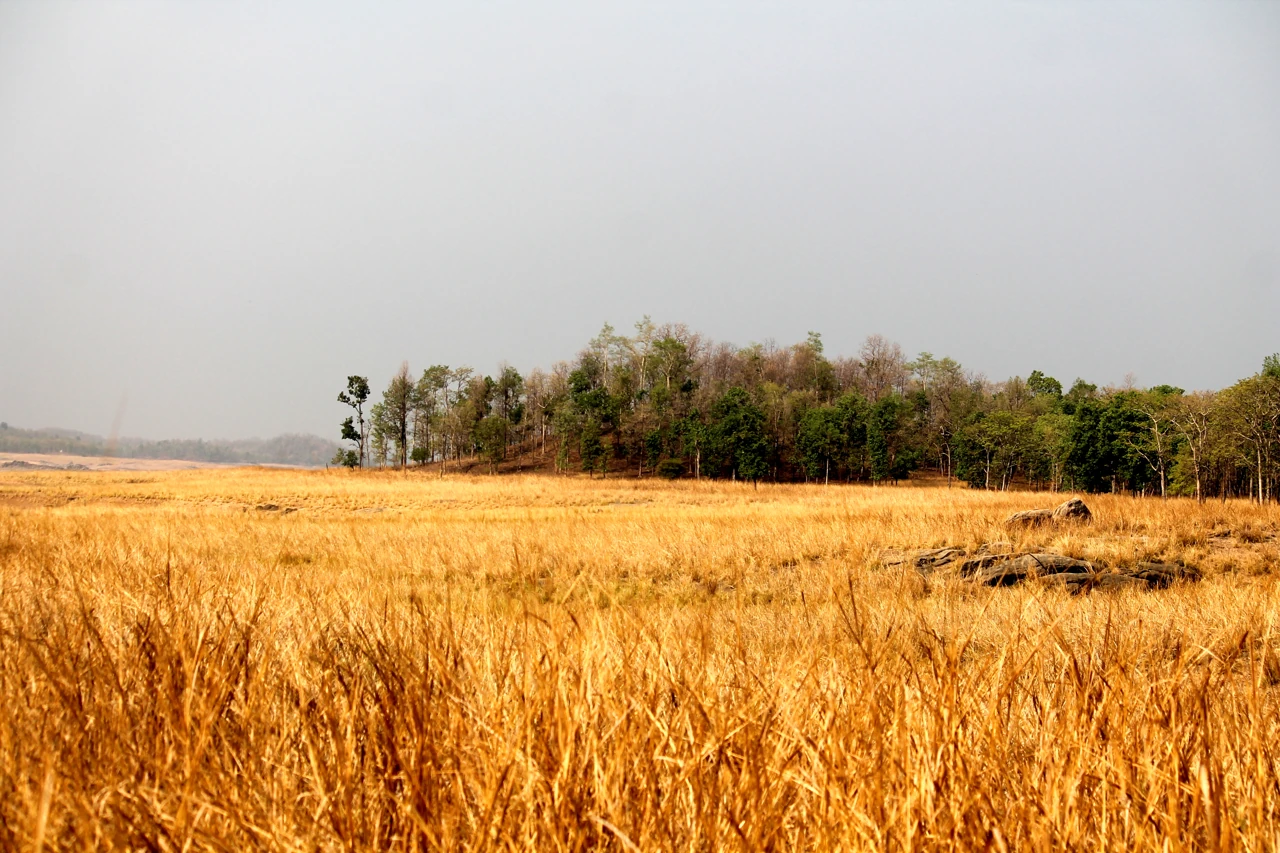
Golden grassland meadows in Kanha National Park
Kanha grassland · Minku2016 · CC BY-SA 4.0
A DIFFERENT FOREST PERSPECTIVE

This is the landscape.
Now explore its habitats.

Forest canopy, river corridors and open grassland shape the Kanha experience.

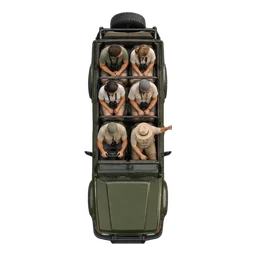
Below: a realistic illustrated forest, dirt track, wildlife and Gypsy. It is a virtual journey, not a surveyed safari route or actual drone footage.

See WildFilmsIndia’s published Kanha hilltop footage ↗
06 / THE VIRTUAL SAFARI

A virtual jungle safari
through Kanha.

You know the essentials. Let the Gypsy lead you through our imagined Kanha landscape. Scroll to move; stop scrolling to linger. The vehicle follows your scroll without automatic stops.

Enter the jungle ↓REALISTIC FOREST ARTWORK · ILLUSTRATIVE VIRTUAL SAFARI
ONE RESERVE. DIFFERENT HABITATS.

Sal woodland.
Open meadows.
Water edges.

Follow a daylight journey shaped around Kanha’s landscape.

Open safari Gypsy seen from above
YOUR SAFARI STARTS HERE
Kanha forest road · Banjari MP Tours Private Limited
HABITAT 01 / SAL WOODLAND

Beneath the
sal canopy.

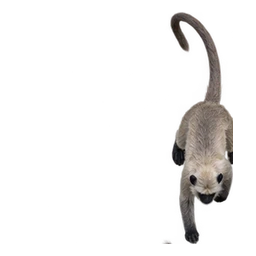
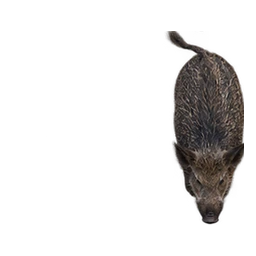
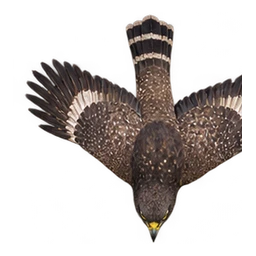
Kanha begins with the forest itself: tall sal, shaded woodland and occasional openings. Watch our langur and boar cross the dirt track while an eagle passes overhead.

SAL · SHADE · FOREST LIFE↘
Photorealistic grey langur with a long curved tail GREY LANGUR
A wild boar walking across the forest track
A crested serpent eagle flapping its wings above the forest
Barasingha in Kanha · Kandukuru Nagarjun · CC BY 2.0 · Kanha wildlife reference
HABITAT 02 / KANHA MEADOWS

Room for the
barasingha.

The woodland opens into grassland. Kanha’s hard-ground barasingha gives this meadow scene its identity, with chital and gaur moving along the woodland edge.

BARASINGHA · CHITAL · GAUR↘
Hard-ground barasingha walking through the animated meadowHard-ground barasingha walking through the animated meadowWalking chital deer BARASINGHA & CHITAL
Asiatic Jackal: illustrative articulated motion cycleAsiatic Jackal
Indian Gaur: illustrative articulated motion cycleIndian Gaur
Tiger in Kanha · Davidvraju · CC BY-SA 4.0
HABITAT 03 / WOODLAND EDGE

Read the
edge of the grass.

The boundary between meadow and cover changes the view again. Our tiger-and-chital encounter is animated storytelling; animals are free-ranging and sightings cannot be predicted.

ILLUSTRATIVE WILDLIFE ENCOUNTER↘
A realistic Bengal tiger crossing the forest trailChital moving ahead of the tigerChital moving ahead of the tigerChital moving ahead of the tiger
TIGER & CHITAL · KEEP A QUIET DISTANCE
Illustration · not a photograph of Shravan Tal
HABITAT 04 / SHRAVAN TAL · WATER HABITAT

A quieter
water edge.

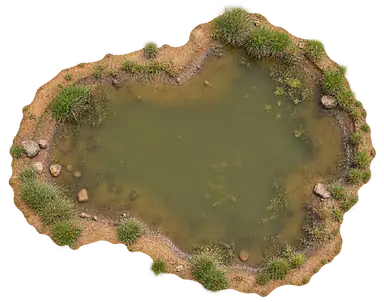
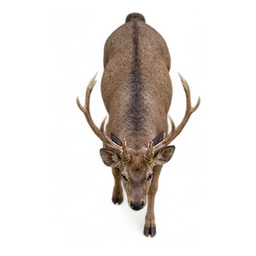
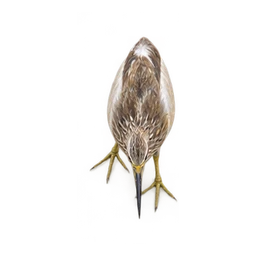
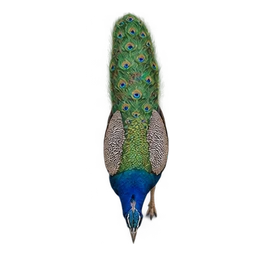
Shravan Tal is a named Kanha pond associated with the story of Shravan Kumar. This small off-track waterhole is an illustration of the habitat, with a sambar, heron and peafowl.

WATER · BIRDS · LOCAL STORY↘
Forest waterhole with a natural muddy bankSambar bending its neck to drink, swallowing and raising its headA pond heron lowering its beak into the water and lifting it again SAMBAR & WATERBIRDS
A realistic Indian peafowl with a long trailing tail
Kanha grassland · Minku2016 · CC BY-SA 4.0 · Habitat reference; not a photograph of Sonf Meadows
HABITAT 05 / SONF MEADOWS

Grassland with
a forest history.

Sonf is a former village site restored as grassland. It is part of Kanha’s changing habitat mosaic. The wildlife here represents the wider reserve, rather than a promised Sonf sighting.

RESTORED GRASSLAND↘
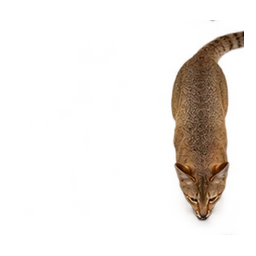
Jungle Cat: illustrative articulated motion cycleJungle Cat
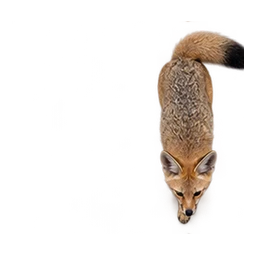
Bengal Fox: illustrative articulated motion cycleBengal Fox
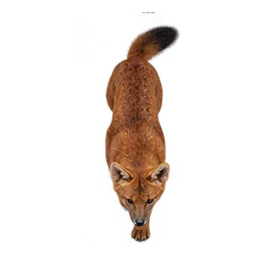
Dhole / Wild Dog: illustrative articulated motion cycleDhole / Wild Dog
Gaur in Kanha woodland · Ashishmahaur · CC BY-SA 4.0 · Woodland habitat reference
HABITAT 06 / MIXED WOODLAND

The forest
closes around us.

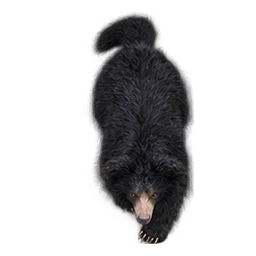
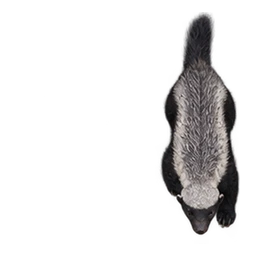
From wide grassland to wooded cover, Kanha keeps changing. In this imagined woodland section, a sloth bear and honey badger move through the undergrowth.

MIXED FOREST · WOODLAND FLOOR↘
A realistic Indian sloth bear walking in the forest SLOTH BEAR
Ratel / Honey Badger: illustrative articulated motion cycleRatel / Honey Badger
Water habitat in Kanha · Kandukuru Nagarjun · CC BY 2.0 · Habitat reference; not a photograph of Babathenga Tank
HABITAT 07 / BABATHENGA · WATER & WOODLAND

Where woodland
meets water.

Babathenga Tank is a named waterbody in the Mukki range. This chapter suggests the surrounding woodland habitat; it is not a photograph or map of the tank, or a prediction of wildlife there.

ASK ABOUT YOUR PERMITTED CIRCUIT↘
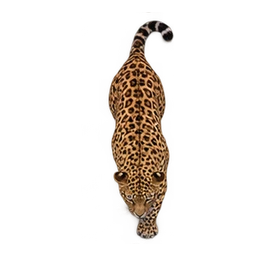
A walking Indian leopard with articulated leg movement INDIAN LEOPARD
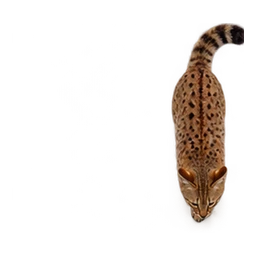
Rusty-Spotted Cat: illustrative articulated motion cycleRusty-Spotted Cat
Sunset inside Kanha · Milindganeshjoshi · CC BY-SA 4.0 · Kanha landscape reference
HABITAT 08 / MEADOW & FOREST MARGINS

Leave room
for the forest.

One reserve, many habitats. Our virtual track returns to a meadow edge before the journey ends. Your real safari follows the reserve’s assigned circuit and its own encounters.

PLAN YOUR OWN KANHA JOURNEY↘
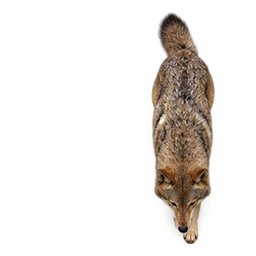
Indian Wolf: illustrative articulated motion cycleIndian Wolf
Striped Hyena: illustrative articulated motion cycleStriped Hyena
Walking chital deerWalking chital deerWalking chital deer
END OF THE VIRTUAL TRAILPlan your Kanha trip ↗
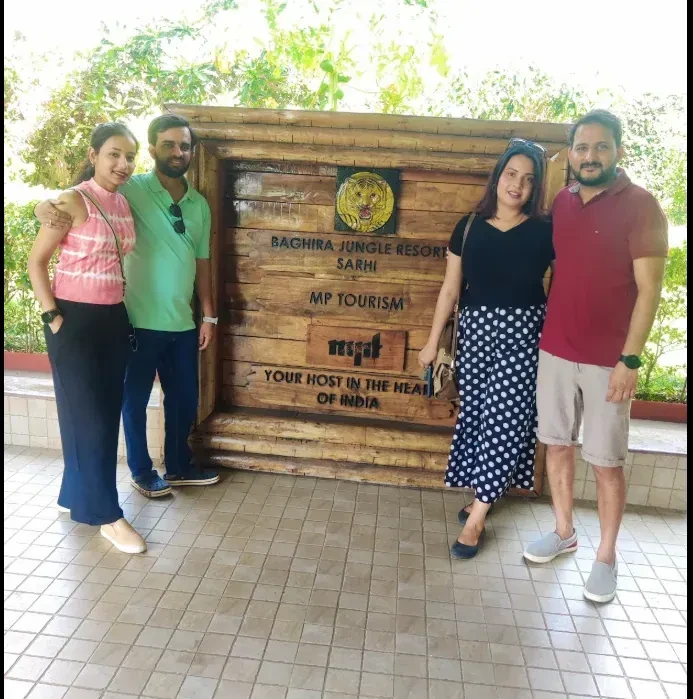
Guests at Baghira Jungle Resort, Kanha, published in Banjari’s gallery
From Banjari’s published guest gallery

PLAN WITH BANJARI MP TOURS

A conversation before a booking.

Share your dates, group size and travel connection. Ask the team to confirm the available safari sessions, a suitable stay and an itemised quote.

Compare the plan with the official permit calendar and ask which experiences are included. No wildlife sighting is promised.

LET’S PLAN YOUR KANHA

Plan your Kanha trip.
Your dates, your pace.

Get a plan for the sessions and experiences available on your dates.

Call +91 75875 33222 ↗

Prefer a message? Use the short planner. It opens WhatsApp with your details; a booking is confirmed only after the team checks availability.

No payment is taken on this page. Your message is shared through WhatsApp when you continue.

QUICK ANSWERS

Kanha National Park FAQs

What are the best places to visit near Kanha National Park?

Phen Wildlife Sanctuary next to the park, the Khatia, Khapa and Sijhora buffer zones, Gond and Baiga villages around the park edges, and Mandla town on the Narmada with Sahastradhara and the Moti Mahal ruins at Ramnagar. Ask for current access and travel time before adding them to your plan.

Which zone is best for Kanha Meadows and Shravan Tal?

Both are in the central Kanha meadows area, so they are normally linked with Kanha-zone circuits. Babathenga Tank is on the Mukki side. Your actual route is assigned by the reserve, so treat this as a planning guide, not a promise.

Which places can I visit in Kanha National Park?

The shortlist includes Kanha Meadows, Sonf Meadows, Shravan Tal, Kanha Museum, Lapsi Kabar, Babathenga Tank and the historic Bamni Dadar viewpoint. Access varies: discuss the current permitted route and museum arrangements with the reserve or your operator.

What is the difference between a gate and a zone?

Kanha, Kisli, Mukki and Sarhi are core safari zones. Khatia, Mukki and Sarhi are the main gates. Similar names do not mean the same thing; check the reporting gate and session on your permit.

Can I definitely visit Bamni Dadar for sunset?

Do not assume so. It is a historic point of interest, but tourism descriptions are not an entry permission. Confirm whether it is currently open and included in your allowed route before planning around it.

How many days should I plan for Kanha?

Two days can fit a short stay and pre-booked sessions if your arrival and departure allow. For a less rushed visit or more safari sessions, consider two nights or longer. The example itinerary is a suggestion, not confirmed availability.

When is the best time to visit?

October to March generally offers cooler conditions. April to June can be very hot. Core safaris have monsoon closures; verify the current opening dates, weekly closures and buffer operations on the official calendar.

Can we walk freely in the forest?

No. Follow the authorised safari circuit with the required vehicle and guide. Ask separately about currently approved buffer or peripheral nature trails; a core safari permit does not authorise independent walks.

What should my safari price include?

Ask for an itemised quote covering permit, vehicle, guide, transfers and any stay or meal inclusions. Confirm taxes and cancellation conditions. Fees depend on the session, booking type and current rules.

Is a tiger or barasingha sighting guaranteed?

No. Wildlife is free-ranging. The page’s animated encounters are illustrative and do not predict a real safari. Enjoy the forest and follow the guide without chasing, blocking or feeding animals.

Is this an actual safari route or drone flight?

No. The realistic forest artwork, route, animal movement and traveller actions are visual storytelling. Your real safari follows a route assigned by the reserve.

Through their lenses.

Wildlife and landscape photographs are resized to WebP; displayed framing may crop them. No AI upscaling or content alteration. These photographers do not endorse Banjari MP Tours Private Limited.

Kanha Museum and Lapsi Kabar photos: MP Tourism. Gate and guest photos: Banjari MP Tours Private Limited’ published Kanha page. The forest background, safari sprites and imagined track are generated artwork.

75875 33 222