Banjari MP Tours LogoBanjari MP Tours Private Limited
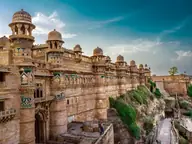
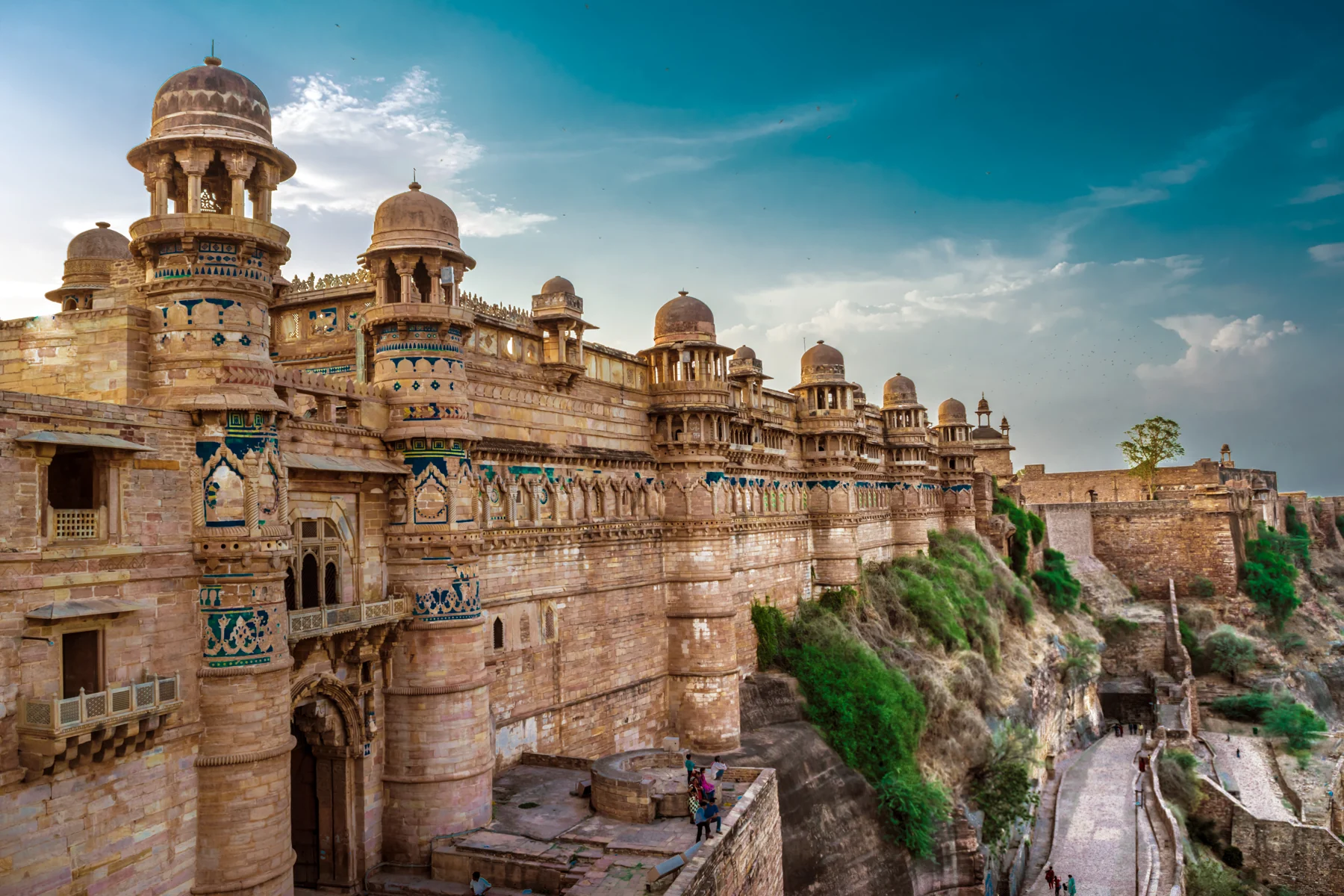
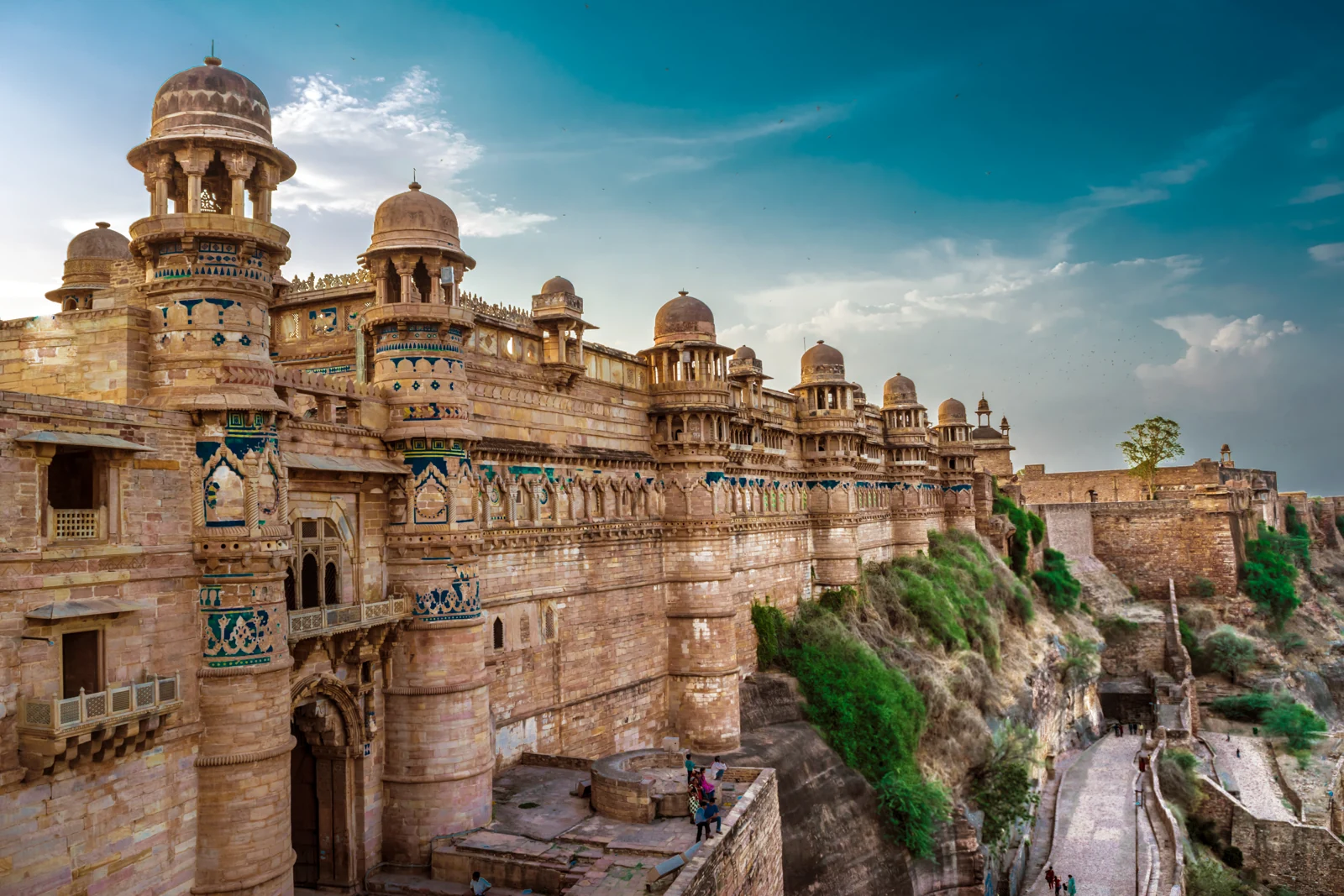
Gwalior Fort and the tiled walls of Man Mandir Palace above the city
MADHYA PRADESH · INDIAA BANJARI TRAVEL GUIDE / 2026

FORTS. PALACES. A CITY OF MUSIC.

18 Best Places to Visit inGwalior(Fort, Palaces, Temples & Tombs)

Gwalior Fort and Man Mandir Palace, Jai Vilas Palace, carved temples, the tombs of Muhammad Ghaus and Tansen, and three excursions, with the time each place needs and how to get there. Step inside real photographs of Man Mandir on the way.

  • 18 places
  • UNESCO City of Music
  • Gwalior district, MP
FORT & PALACESMUSIC & HERITAGENEARBY EXCURSIONS
Actual photograph · Anuppyr007 · CC BY-SA 4.0 ↗
YOUR GWALIOR TRAVEL GUIDE

Gwalior travel guide:
start at the fort.

Gwalior is a historic city in northern Madhya Pradesh, built around a hilltop fort held in turn by the Tomar kings, the Mughals and the Scindias. The fort holds Man Mandir Palace, Teli Ka Mandir and the Sas Bahu temples, and the city below has Jai Vilas Palace and the tomb of the singer Tansen. Since 2023 Gwalior is a UNESCO Creative City of Music.

The best places to visit in Gwalior begin with the fort and Man Mandir Palace. From there, follow the city’s changing story through Gujari Mahal, Jai Vilas Palace, Jain rock carvings, the tombs of Muhammad Ghaus and Tansen, and the old-city square.

This guide includes 15 city and fort sights, plus 3 nearby excursions. Several monuments belong to the same fort circuit; they are individual places to explore, not 18 separate day trips.

Use the photographs to choose what interests you. Plan a compact first visit, a slower two-day stay, or an extra day beyond the city with the suggested itineraries. For a ready plan with stay and car, see our Gwalior tour packages.

AIRPORTGwalior · GWL
RAILWAYGwalior Junction · GWL
GETTING AROUNDTourist car + walking time
THE QUICK LIST

The 18 places to visit in Gwalior

Here are all 18 in the order of the road below, with the area, the time each place needs and how you get there. Tap a name to jump to its photo and details.

  1. The fort circuitGwalior Fort 2–3 hours for selected fort sightsConfirm your approach gate and parking with your driver.
  2. The fort circuitMan Mandir Palace 45–75 minutesInside Gwalior Fort; continue on foot where required.
  3. The fort circuitGujari Mahal Archaeological Museum 45–75 minutesPlan the lower-fort approach separately from the plateau.
  4. The fort circuitSas Bahu Temples 30–45 minutesWithin the fort plateau; allow for walking and steps.
  5. The fort circuitTeli Ka Mandir 20–35 minutesReach by the permitted fort route, with a final walk.
  6. The fort circuitSiddhachal Jain Colossi 25–40 minutesOn the Urwai approach; stop only where parking and walking are permitted.
  7. The city & foothillsGopachal Parvat Jain Monuments 40–60 minutesUse the designated Gopachal approach; expect steps.
  8. The fort circuitGurudwara Data Bandi Chhor 25–45 minutesWithin the fort area; check the local approach and parking.
  9. The city & cultureJai Vilas Palace & Scindia Museum 90–120 minutesA separate city visit; allow transfer time from the fort.
  10. Music & old GwaliorTomb of Muhammad Ghaus 25–40 minutesIn the Hazira area; combine with the neighbouring Tansen stop.
  11. Music & old GwaliorTansen’s Tomb 15–25 minutesVisit in the same outing as Muhammad Ghaus’s tomb.
  12. The city & cultureSun Temple (Surya Mandir) 30–45 minutesIn the Morar area; plan a car transfer from the central sights.
  13. The city & cultureMoti Mahal 20–35 minutesA city stop; use the permitted public approach.
  14. The city & cultureMaharaj Bada (Jayaji Chowk) 30–60 minutesArrange a convenient pickup point outside the busiest lanes.
  15. The city & cultureRani Lakshmibai Samadhi 15–25 minutesA central-city visit; combine with nearby sights when practical.
  16. Beyond the cityTigra Dam (Tighra Reservoir) Half-day outing including transfersOutside Gwalior; allow road time in both directions.
  17. Beyond the cityBateshwar Group of Temples Half-day heritage outingA road excursion in Morena district, outside Gwalior city.
  18. Beyond the cityChausath Yogini Temple, Mitaoli 45–60 minutes on site, plus transfersReach by road, then climb the hill steps.
BEFORE YOU GO

Gwalior at a glance

  • WhereGwalior district, northern Madhya Pradesh, about 300 km from Delhi
  • Gwalior FortA sandstone hill fort above the city, with palaces, temples and Jain rock statues
  • Man Mandir PalaceBuilt by Raja Man Singh Tomar, who ruled from 1486 to 1516
  • Jai Vilas PalaceBuilt in 1874 for the Scindia family; part of it is the Scindia Museum
  • UNESCO City of MusicSince 2023; the Tansen Sangeet Samaroh is held every December
  • AirportRajmata Vijaya Raje Scindia Airport, Gwalior (GWL)
  • RailwayGwalior Junction, with frequent trains to Agra and Delhi
  • Best seasonOctober to March, when the open fort plateau is cooler for walking
18 REAL PLACES↓ SCROLL DOWN · EXPLORE AT YOUR PACE
↓ SCROLL DOWN · EXPLORE BOTH SIDES01–02 / 18
The fort circuit01 / 18
Anuppyr007 · CC BY-SA 4.0 ↗
FORT & HILLTOP VIEWS

01. Gwalior Fort

ग्वालियर किला

About this place +

Begin with the sandstone citadel above the city. Gwalior Fort is a large hilltop complex: its palaces, shrines, gateways and cliff carvings are separate sights, so leave time to walk between the places you choose.

Suggested time
2–3 hours for selected fort sights
Getting there
Confirm your approach gate and parking with your driver.

Look along the ramparts before moving closer to the tiled palace frontage.

A fort visit is a circuit, not a single room. The next cards break it into manageable stops.

The fort circuit02 / 18
Sreyachat · CC BY-SA 3.0 ↗
PALACE ARCHITECTURE

02. Man Mandir Palace

मान मंदिर महल

About this place +

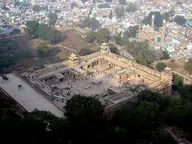
Man Mandir is the palace within the fort associated with Raja Man Singh Tomar. Its decorated outer walls lead to courtyards, carved supports and stone screens that reward a slower visit.

Suggested time
45–75 minutes
Getting there
Inside Gwalior Fort; continue on foot where required.

Notice the blue and yellow decoration, repeated openings and the contrast between bright courtyards and shaded rooms.

Open the large fort view below for an eight-scene photographic introduction to the palace.

A FORT ALONG THE WAYEnter here. Or keep going. ↓
The real Gwalior Fort, decorated palace facade, original stonework and fortified approach
GWALIOR FORT / GWALIOR
Keep exploring ↓
Anuppyr007 · CC BY-SA 4.0 ↗
STAY ON THE ROAD↓Scroll to the next places
↓ SCROLL DOWN · EXPLORE BOTH SIDES03–18 / 18
The fort circuit03 / 18
Rohit Agarwal · CC BY-SA 4.0 ↗
MUSEUM & SCULPTURE

03. Gujari Mahal Archaeological Museum

गूजरी महल पुरातत्व संग्रहालय

About this place +

The former Gujari Mahal palace is now an archaeological museum. Its stone sculpture and archaeological collections make a useful companion to seeing the monuments themselves.

Suggested time
45–75 minutes
Getting there
Plan the lower-fort approach separately from the plateau.

Give the surviving carved details time instead of treating the museum as a quick photo stop.

The district guide lists Monday closure; confirm current hours and access before visiting.

The fort circuit04 / 18
Airunp (attributed on source) · CC BY-SA 2.5 ↗
CARVED STONE TEMPLES

04. Sas Bahu Temples

सास-बहू मंदिर

About this place +

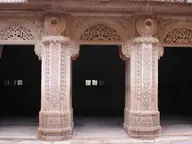
The Sas Bahu group has two adjoining temples within the fort. Their deeply carved entrances and pillared spaces offer a different kind of craftsmanship from Man Mandir’s palace walls.

Suggested time
30–45 minutes
Getting there
Within the fort plateau; allow for walking and steps.

Look up at the ceilings and across the carved doorway before taking in the wider hilltop view.

Wear shoes with a good grip and take time on the stone platforms.

The fort circuit05 / 18
Sanchari5491 · CC BY-SA 3.0 ↗
TEMPLE ARCHITECTURE

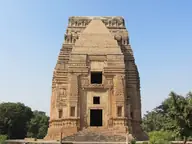
05. Teli Ka Mandir

तेली का मंदिर

About this place +

Teli Ka Mandir stands out on the fort plateau for its tall profile and distinctive roof. It is a separate monument and an easy way to compare architectural forms during the fort circuit.

Suggested time
20–35 minutes
Getting there
Reach by the permitted fort route, with a final walk.

Step back to read the full outline, then look more closely at the doorway and carved stonework.

Confirm the current monument ticket arrangements rather than assuming every fort stop uses the same entry.

The fort circuit06 / 18
Yann · GFDL CC BY-SA 4.0 ↗
ROCK-CUT JAIN HERITAGE

06. Siddhachal Jain Colossi

सिद्धाचल जैन प्रतिमाएँ

About this place +

The Siddhachal carvings line the Urwai approach to the fort. The Jain figures are cut into the living rock, with the cliff itself forming their setting.

Suggested time
25–40 minutes
Getting there
On the Urwai approach; stop only where parking and walking are permitted.

Compare standing and seated figures with the scale of the surrounding rock face.

This is a different group from Gopachal Parvat. Treat both as places of religious heritage.

The city & foothills07 / 18
Pratyk321 · CC BY-SA 4.0 ↗
SCULPTURE & SACRED SPACES

07. Gopachal Parvat Jain Monuments

गोपाचल पर्वत जैन स्मारक

About this place +

Gopachal Parvat has another important group of rock-cut Jain monuments outside the fort. Its setting and approach are different from the Siddhachal figures on the Urwai road.

Suggested time
40–60 minutes
Getting there
Use the designated Gopachal approach; expect steps.

Notice how the original rock surrounds the figures; these are not detached museum statues.

Keep footwear and photography in line with the instructions at the sacred site.

The fort circuit08 / 18
Suyash Dwivedi · CC BY-SA 4.0 ↗
SIKH HERITAGE

08. Gurudwara Data Bandi Chhor

गुरुद्वारा दाता बंदी छोड़

About this place +

Gurudwara Data Bandi Chhor is a place of worship on the fort plateau, associated with Guru Hargobind. Make room for a quiet visit alongside the architectural stops.

Suggested time
25–45 minutes
Getting there
Within the fort area; check the local approach and parking.

See the pale domes and the open precinct, then follow the local guidance inside.

Cover your head, remove shoes where instructed and keep a respectful pace.

The city & culture09 / 18
Mohitkjain123 · CC BY-SA 3.0 ↗
PALACE & ROYAL COLLECTIONS

09. Jai Vilas Palace & Scindia Museum

जय विलास महल और सिंधिया संग्रहालय

About this place +

Jai Vilas introduces Gwalior’s Scindia-era palace heritage. The museum’s grand rooms and collections offer a striking change from the fort’s exposed stone and hilltop spaces.

Suggested time
90–120 minutes
Getting there
A separate city visit; allow transfer time from the fort.

Allow time for the scale and decorative detail of the public museum rooms.

Check the museum’s current opening days, ticket rules and photography policy.

Music & old Gwalior10 / 18
Amitabha Gupta · CC BY-SA 4.0 ↗
MUGHAL-ERA ARCHITECTURE

10. Tomb of Muhammad Ghaus

मोहम्मद गौस का मकबरा

About this place +

The tomb of Muhammad Ghaus is known for its finely worked stone screens and domed form. The surrounding complex is also closely linked with a visit to Tansen’s memorial.

Suggested time
25–40 minutes
Getting there
In the Hazira area; combine with the neighbouring Tansen stop.

Follow the light through the pierced stone jalis and compare the patterns from different angles.

Move quietly and follow the site’s rules for worship and photography.

Music & old Gwalior11 / 18
Varun Shiv Kapur from New Delhi, India · CC BY 2.0 ↗
MUSIC & MEMORY

11. Tansen’s Tomb

तानसेन का मकबरा

About this place +

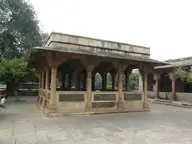
Tansen’s memorial is a quieter stop near the tomb of Muhammad Ghaus. It brings Gwalior’s musical traditions into the sightseeing day without adding another cross-city transfer.

Suggested time
15–25 minutes
Getting there
Visit in the same outing as Muhammad Ghaus’s tomb.

Look at the modest memorial setting after the more elaborate architecture nearby.

Festival arrangements and access can change; check dates separately if music events are your focus.

The city & culture12 / 18
Sudhanshusahu · CC BY-SA 4.0 ↗
TEMPLE & GARDENS

12. Sun Temple (Surya Mandir)

सूर्य मंदिर

About this place +

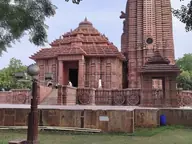
Gwalior’s Sun Temple draws inspiration from the Sun Temple at Konark. Its red sandstone exterior and landscaped setting make it a distinct city temple visit.

Suggested time
30–45 minutes
Getting there
In the Morar area; plan a car transfer from the central sights.

Walk around the permitted exterior to see how the chariot-like form reads from different viewpoints.

Check worship hours and footwear instructions before setting your day’s order.

The city & culture13 / 18
Amitabha Gupta · CC BY-SA 4.0 ↗
HISTORIC PALACE EXTERIOR

13. Moti Mahal

मोती महल

About this place +

Moti Mahal is part of the city’s palace heritage and has also been used for government offices. Plan this as an exterior architecture stop unless interior access has been confirmed.

Suggested time
20–35 minutes
Getting there
A city stop; use the permitted public approach.

Read the rhythm of the facade and its relationship with the surrounding palace area.

An exterior visit does not guarantee access to historic rooms or painted interiors.

The city & culture14 / 18
Neerajshivpuri · CC BY-SA 4.0 ↗
OLD-CITY SQUARE & MARKETS

14. Maharaj Bada (Jayaji Chowk)

महाराज बाड़ा

About this place +

Maharaj Bada is a good place to experience the old city on foot. Heritage facades, the square and nearby market lanes create a different atmosphere from the fort plateau.

Suggested time
30–60 minutes
Getting there
Arrange a convenient pickup point outside the busiest lanes.

Pause at the square to compare the buildings before continuing into the market streets.

Keep a little unplanned time for a short market walk and a local snack.

The city & culture15 / 18
VidhuKhare · CC BY-SA 3.0 ↗
MEMORIAL & HISTORY

15. Rani Lakshmibai Samadhi

रानी लक्ष्मीबाई समाधि

About this place +

This memorial honours Rani Lakshmibai of Jhansi. The samadhi and equestrian statue offer a short, reflective stop in a day exploring the city’s many periods of history.

Suggested time
15–25 minutes
Getting there
A central-city visit; combine with nearby sights when practical.

See the memorial and the statue as a place of remembrance.

Keep the visit respectful and leave space for other visitors.

Beyond the city16 / 18
Ameybarve27 · CC BY-SA 4.0 ↗
NEARBY EXCURSION · RESERVOIR

16. Tigra Dam (Tighra Reservoir)

तिघरा बाँध

About this place +

Tigra offers open water and a slower landscape outside the built-up city. Treat it as a separate drive rather than a stop squeezed between museums and fort monuments.

Suggested time
Half-day outing including transfers
Getting there
Outside Gwalior; allow road time in both directions.

Take in the reservoir from permitted viewpoints, with room for a relaxed break.

Water levels, access and any boating operations vary. Confirm locally before you leave.

Beyond the city17 / 18
Varun Shiv Kapur from New Delhi, India · CC BY 2.0 ↗
NEARBY EXCURSION · MORENA

17. Bateshwar Group of Temples

बटेश्वर मंदिर समूह

About this place +

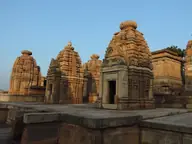
The Bateshwar temple complex in Morena district brings together many small sandstone shrines. The repeated towers and restored group setting reward a dedicated heritage outing.

Suggested time
Half-day heritage outing
Getting there
A road excursion in Morena district, outside Gwalior city.

Look across the cluster first, then compare individual doorways and the arrangement of the shrines.

Choose a realistic excursion circuit; avoid adding every nearby ruin to the same short day.

Beyond the city18 / 18
Suyash Dwivedi · CC BY-SA 4.0 ↗
NEARBY EXCURSION · HILLTOP TEMPLE

18. Chausath Yogini Temple, Mitaoli

चौसठ योगिनी मंदिर, मितावली

About this place +

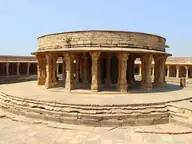
The circular temple at Mitaoli sits on a hill in Morena district. Its ring of cells and open central space provide a memorable contrast to the tall temple towers at Bateshwar.

Suggested time
45–60 minutes on site, plus transfers
Getting there
Reach by road, then climb the hill steps.

Walk the permitted circular route and notice the rhythm of the columns around the courtyard.

Allow for the climb and sun exposure; discuss mobility needs before planning this outing.

THE STORY OF THE CITY

History of Gwalior

For more than a thousand years, whoever ruled this part of India wanted Gwalior Fort. Each ruler left something behind, from carved temples to palaces and tombs.

  1. LegendA chieftain named Suraj Sen is cured by the hermit Gwalipa, and names the fort and the city after him.
  2. 876 CEAn inscription at the Chaturbhuj Temple on the fort records one of the oldest known written zeros.
  3. 1375The Tomar dynasty begins its rule of Gwalior.
  4. 1486 to 1516Raja Man Singh Tomar builds Man Mandir Palace, with its blue, green and yellow tiles.
  5. 16th centuryThe Mughals take the fort. Tansen, born near Gwalior, becomes a singer at Akbar's court and is buried here.
  6. 1874Jai Vilas Palace is built for the Scindia rulers of Gwalior.
  7. 2023UNESCO names Gwalior a Creative City of Music.
Man Mandir Palace inside Gwalior Fort, built by Raja Man Singh Tomar
Man Mandir Palace · Sreyachat · CC BY-SA 3.0 ↗
LEAVE TIME TO LOOK AROUND

Gwalior itinerary:
1, 2 or 3 days.

Suggested plans, with breaks and realistic choices. The best day is one you have time to enjoy.

01 / ONE FULL DAY

The first-visit highlights

  1. Morning: Visit Gwalior Fort and Man Mandir. Choose Sas Bahu or Teli Ka Mandir as an additional fort stop.
  2. Afternoon: After lunch, choose Jai Vilas Museum if its opening day and your arrival time suit the visit.
  3. Finish: Take a short Maharaj Bada walk, or choose the Muhammad Ghaus and Tansen complex instead.

Select a few highlights. Keep the nearby excursions for a longer visit.

03 / THREE DAYS

A little beyond Gwalior

  1. Days 1–2: Follow a relaxed fort-and-city plan, arranged around museum closing days.
  2. Day 3: Choose a Morena heritage outing to Bateshwar and Mitaoli, allowing for road travel and the hill steps.
  3. Another option: Choose Tigra for a slower reservoir outing and keep the rest of the day flexible.

An extra day gives the outside-city sights room without rushing the fort.

These are editorial planning suggestions. Visit lengths are estimates; your interests, arrival time, weather and current site access determine the final route.

Ready-made plans with stay and car: 1 night Gwalior · 2 nights Gwalior · Gwalior with Orchha · Gwalior, Orchha and Khajuraho.

BEFORE YOU SET OUT

Gwalior travel tips:
best time, how to reach, tickets.

Plan walking time and transfers together, then check each monument or museum for your dates.

01

Best time to visit Gwalior

October to March is the usual starting window for Gwalior sightseeing, with cooler weather for the exposed fort plateau and longer walks.

In hotter months, start early and take a midday break. Rain can make steps and stone surfaces slippery, so adjust the day to local conditions.

Official destination guide ↗
02

How to reach Gwalior

By air: Rajmata Vijayaraje Scindia Airport, Gwalior (GWL), is the city’s airport.

By rail: Gwalior Junction (GWL) is the main railway arrival point. Check current connections for your dates.

By road: Arrange a local arrival transfer or include Gwalior in a wider trip through the region.

Distances: Delhi is about 300 km and Agra about 120 km by road. The Bateshwar temples are about 40 km from Gwalior, and Orchha is about three hours away. Check current trains and flights for your dates.

03

Tickets, timings & guides

The fort monuments, Gujari Mahal and Jai Vilas Museum may have separate tickets, opening days and photography rules. Confirm them before setting your route.

For an evening light-and-sound show, ask about current operation, language, timing and tickets. A show is not assumed to be running or included.

Agree the guide’s language, duration and fee before the visit.

04

Fort approach & mobility

Use a tourist car for the permitted approach and transfers. Confirm the entrance and parking with your driver; continue on foot where vehicles are restricted.

Expect slopes, stone steps and uneven surfaces. Tell us about mobility needs early, especially for Mitaoli’s hill climb.

05

What to carry

Bring water, sun protection and comfortable footwear with good grip. Keep room for a rest between the fort and city visits.

Carry a head covering for the gurudwara, and follow the footwear and dress instructions at religious sites. Pack lightly for the steps and open plateau.

06

Photography & care

Follow each monument’s and museum’s photography rules. Ask before photographing people and avoid blocking narrow passages.

Keep hands off delicate carvings, stay behind barriers and use only permitted viewpoints. A good photograph does not need a climb onto original stonework.

ADD A DIFFERENT DAY

Places to visit near Gwalior:
Bateshwar, Mitaoli and more.

Tigra, Bateshwar and Mitaoli are included as nearby excursions, with their own driving time. Pick the landscape or heritage outing that fits your trip.

More guides: Places to visit in Khajuraho · Khajuraho tour packages.

Beyond the city

Give Bateshwar’s sandstone shrines and Mitaoli’s circular hilltop temple a dedicated outing. Tigra is a different option for a slower waterside break.

Explore the nearby places ↓

Car, stay & local guide

Share your arrival point, group size and walking preferences. Ask for a plan and a clear quote covering the services you want.

Ask for a Gwalior plan ↓
YOUR QUESTIONS, ANSWERED

Gwalior FAQs
before you visit.

A few practical answers before the trip.

What are the best places to visit in Gwalior?

Begin with Gwalior Fort and Man Mandir Palace, then choose Jai Vilas Palace, Gujari Mahal Museum, Sas Bahu Temples, Teli Ka Mandir and the tombs of Muhammad Ghaus and Tansen. The guide also includes city temples, Jain heritage and three nearby excursions.

Why is Gwalior famous?

Gwalior is famous for its hilltop fort with Man Mandir Palace, Teli Ka Mandir and the Sas Bahu temples, for Jai Vilas Palace of the Scindias, and for music: Tansen's tomb is here and Gwalior has been a UNESCO Creative City of Music since 2023.

Who built Gwalior Fort?

Local legend says a chieftain named Suraj Sen founded the fort. Its best-known palace, Man Mandir, was built by Raja Man Singh Tomar, who ruled from 1486 to 1516. Later the Mughals and then the Scindias held the fort.

What is the best time to visit Gwalior?

October to March is the most comfortable time, because the fort plateau is open and exposed to the sun. The Tansen Sangeet Samaroh music festival is held every December. In summer, see the fort early in the morning.

How far is Gwalior from Agra and Delhi?

Gwalior is about 120 km from Agra and about 300 km from Delhi by road. Gwalior Junction has frequent trains to both cities, and Gwalior has its own airport (GWL). Check current trains and flights for your dates.

How many days should I spend in Gwalior?

One full day can cover a selected fort circuit and a few city highlights. Two days give the fort, museums and old city more breathing room. Add another day for a nearby excursion, depending on your arrival and departure times.

Are all 18 places separate full-day trips?

No. Several are individual monuments within the Gwalior Fort circuit. Muhammad Ghaus and Tansen share a convenient outing, while Tigra, Bateshwar and Mitaoli are outside-city excursions. Choose the stops that fit your time.

How does the Gwalior Fort photo walkthrough work?

Enter from the large fort view on this page. Eight genuine photographs introduce Man Mandir Palace from its facade to the courtyards, columns, brackets and ceilings. Scroll inside the fort view or use the controls; the experience stays in that same area.

Is the walkthrough a continuous video or a 360-degree tour?

It is a sequence of actual photographs with gentle forward zoom and short transitions. The explanations refer to what the photos show. It is not continuous walking footage, a surveyed physical route or a measured 3D scan.

Can I go past the fort without entering the walkthrough?

Yes. Scroll on the road beside the fort or select Keep exploring. Entering the walkthrough is optional, and Outside view restores the fort photograph in place.

Are tickets, a guide and a car included together?

They are separate arrangements unless a written quote explicitly includes them. Monument and museum tickets, car transfers, guide fees and excursion access should be confirmed for your dates. The form itself does not make a booking.

How does the enquiry form work?

Choose a date, number of travellers, arrival point and interests. The button prepares a WhatsApp draft for Banjari MP Tours Private Limited. Review it and send it yourself; no message or payment is sent automatically.

Sources, photographs & this experience +

Fort information is based on District Gwalior, Incredible India and Madhya Pradesh Tourism. Each place links a visitor reference. Suggested visit lengths are editorial planning estimates. Individual fort monuments are listed separately; the last three places are nearby excursions.

The monuments, sculptures and destinations are actual photographs. The SUV and tourist couple are photorealistic illustrative animation assets, not documentary footage of a specific trip. The road sequence is an illustrative sightseeing order. Vehicles remain outside protected fort grounds. The optional Gwalior Fort photo exploration is a sequence of real photographs, not a continuous video or measured 3D scan.

Image source and licence details are included in PHOTO_CREDITS.json. Photographs were resized to WebP with necessary EXIF orientation correction. Scene views can crop; the full image is available in the photo viewer. No generated monument architecture or sculpture is used. The original fort-walkthrough credits are included within that section.

PLAN WITH BANJARI MP TOURS

Let’s plan your
Gwalior trip.

Tell us when you are coming, how many people are travelling and what you would like to see. We will help you put the fort visits, car transfers and nearby outings in a sensible order.

Fort & city sightseeingCar transfersStay & guide optionsNearby outings

Share your preferences first. Availability, inclusions and the final quote are confirmed before you book.

Call +91 75875 33 222 ↗inquiry@banjarimptours.com

Your trip, at a glance.

Opens a WhatsApp draft with your details. Review and send it when ready. No payment is taken here.

75875 33 222